
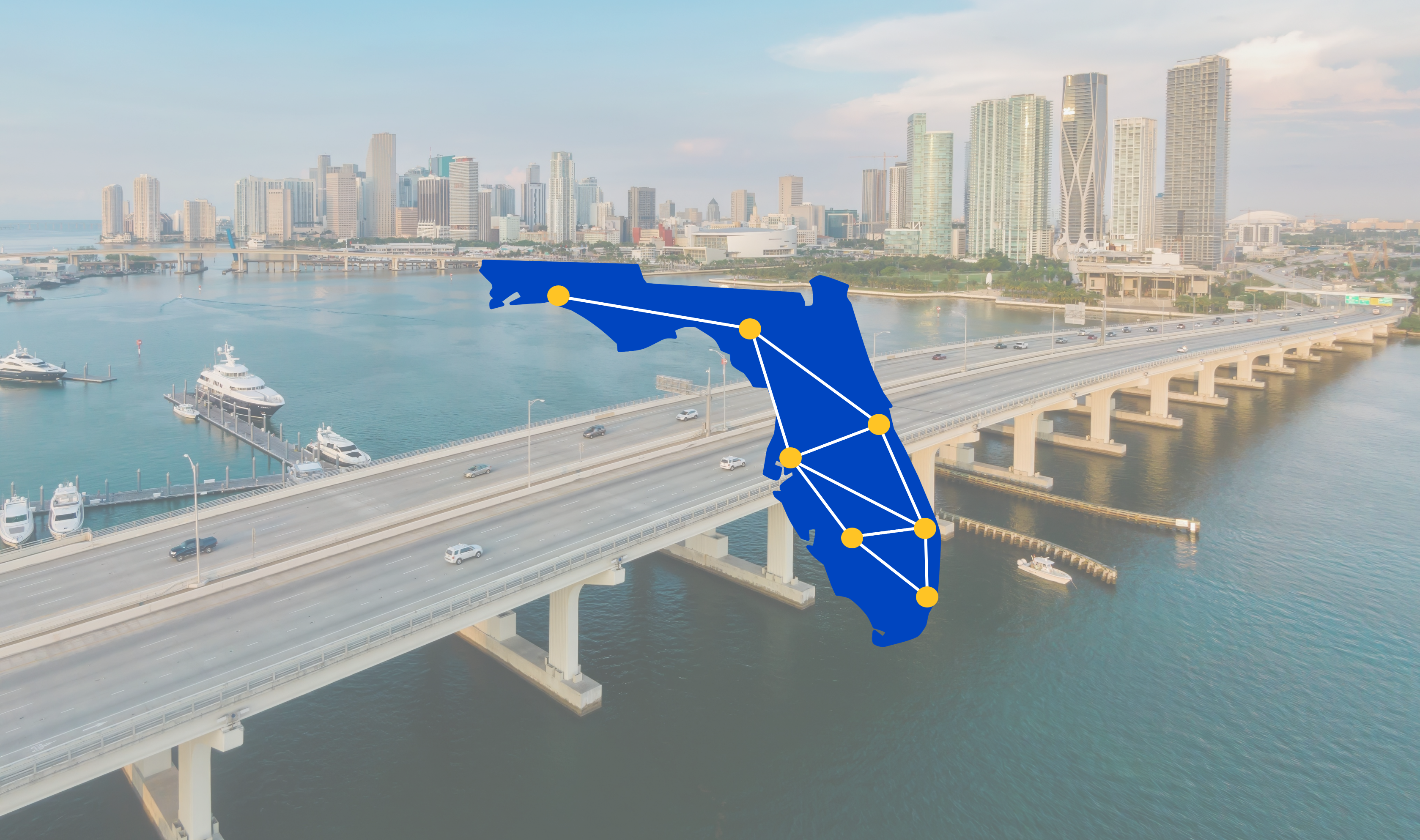
Across Florida, local governments are evaluating how potential changes to property tax policy and homestead exemptions could influence long-term financial planning, capital investment, and service delivery.
Property taxes remain one of the most significant revenue sources available to municipalities. A recent study by Wichita State University found that property taxes account for approximately 43% of municipal general fund revenue statewide, highlighting their importance in supporting essential services, infrastructure investments, and community priorities and safety.
As discussions continue around Florida’s future property tax framework, many local leaders are looking beyond the immediate policy debate and considering broader questions about financial resilience and long-term sustainability:
- How can communities diversify revenue sources and reduce dependence on a single funding stream?
- Are public assets and real estate holdings being utilized to their highest and best? Are there monetization opportunities for existing inventory of land?
- How can governments negotiate revenue for their investments in public infrastructure?
- How can critical capital projects continue to advance in an environment where funding certainty may become less predictable?
- What impact could tax cuts have on our current and future Capital Improvement Plan (CIP)?
- Which grant opportunities align with community priorities, and how can organizations strengthen their ability to pursue them?
- What strategies can improve project delivery, cost certainty, and long-term infrastructure planning?
These questions extend beyond any single policy outcome. They reflect a broader need for communities to position themselves for success amid changing economic and fiscal conditions.
Across North America, public-sector organizations are increasingly exploring innovative approaches to funding, infrastructure delivery, and asset management. Many are evaluating opportunities to unlock value from underutilized real estate, pursue alternative funding and financing structures, leverage grant programs, and strengthen capital planning processes. These strategies help communities maintain momentum on priority projects while enhancing long-term financial flexibility.
At WT, we work alongside cities, counties, special districts, municipalities, school districts, higher education institutions, and other public agencies as they navigate these challenges. Our role is not to prescribe a single solution, but to help clients evaluate options, quantify opportunities, and make informed decisions that align with their long-term goals.
Whether that involves conducting public asset portfolio assessments, developing capital improvement strategies, identifying grant funding opportunities, improving cost certainty on major projects, or evaluating alternative funding and financing approaches, our focus remains the same: helping public-sector leaders align available resources with desired community outcomes.
While the future funding landscape may look different from today, communities that proactively and holistically assess their assets, infrastructure needs, and funding strategies will be better positioned to adapt, maintain service levels, and continue delivering the investments that matter most to residents.
If your organization is exploring these issues, we’d welcome the opportunity to share insights from communities facing similar challenges and discuss strategies that can help strengthen financial resilience in an evolving environment.
Get connected with an expert P3 Advisor

Chief Operating Officer