
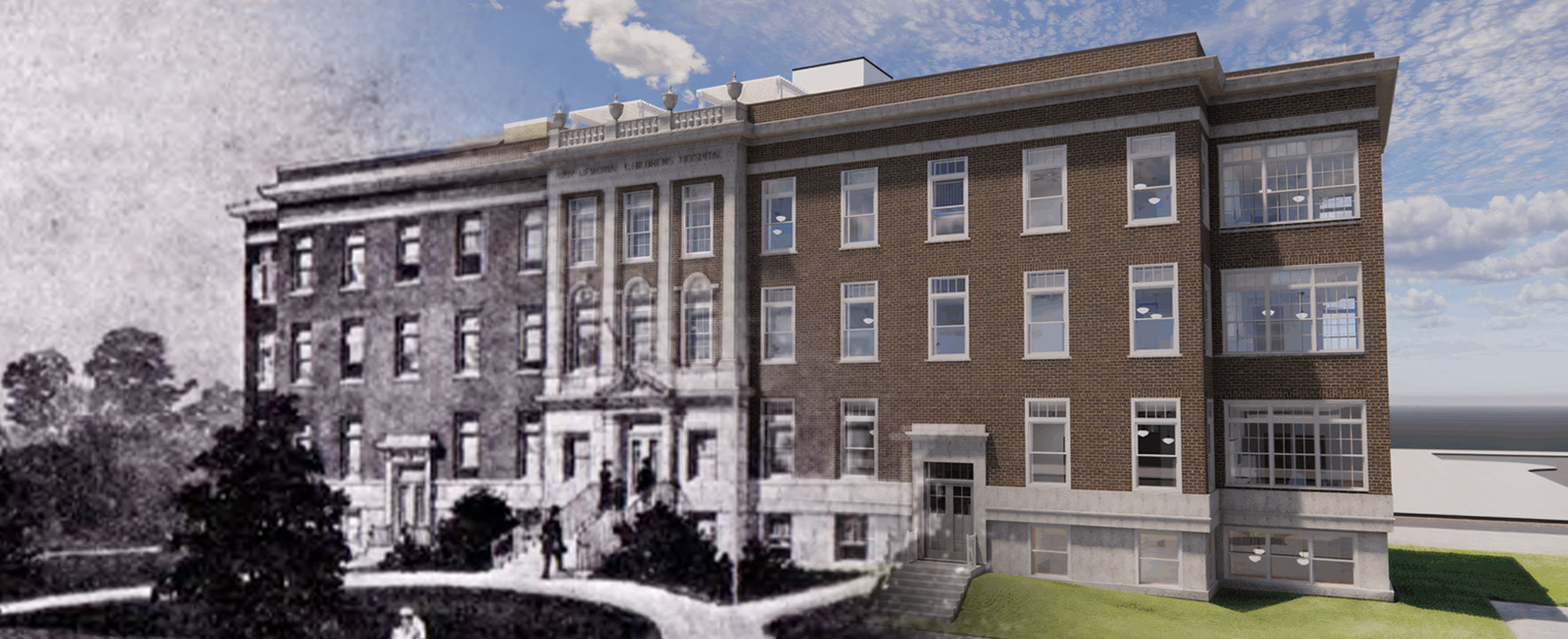
Heritage Week provides an opportunity to reflect on how heritage is conserved and carried forward in Ontario. WT supports this effort by contributing informed cost planning to heritage and adaptive reuse projects across Ontario, helping historic buildings remain viable, accessible, and relevant to the communities they serve.
Ontario’s historic buildings play an important role in shaping our communities. Ensuring these places remain viable, accessible, and meaningful requires more than preservation alone. Heritage and adaptive reuse projects depend on careful planning, collaboration, and informed decision making from the earliest stages of design.
The role of cost planning in heritage and adaptive reuse
Unlike new construction, heritage projects often involve unknown existing conditions, conservation requirements, and complex phasing considerations. These factors must be balanced alongside modern expectations for accessibility, sustainability, and long‑term operational performance. In this context, informed cost planning is essential to supporting sound outcomes.
WT supports heritage and adaptive reuse projects in the province of Ontario, and across Canada, by providing cost estimates that help project teams navigate complexity with clarity and confidence. Working alongside local architects such as Invizij Architects Inc. and mission‑driven owners like Indwell, our role is to deliver clear, defensible cost advice that supports thoughtful design while respecting the cultural and historical significance of each building.
Preserving Ontario’s heritage
Hilda Stuart Lofts (War Memorial Children’s Hospital) – London, Ontario
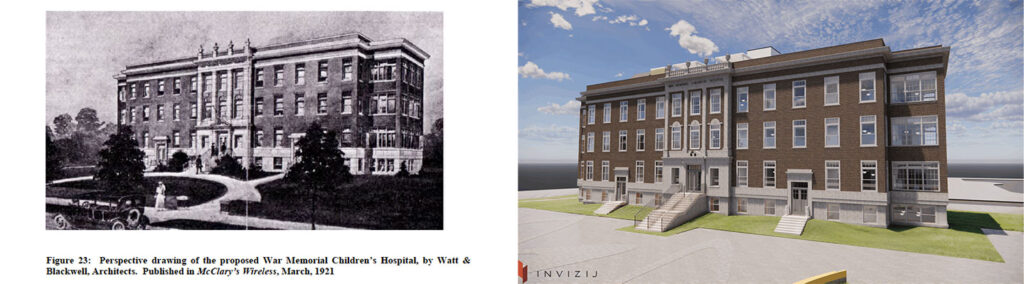
Projects such as the War Memorial Children’s Hospital conversion to the Hilda Stuart Lofts demonstrate how heritage conservation and community benefit can align when cost considerations are integrated early in the design process. Structured cost estimating and option testing have supported the retention of key heritage attributes while enabling the building’s transition to supportive housing.
Antler River Apartments (Health Services Building) – London, Ontario
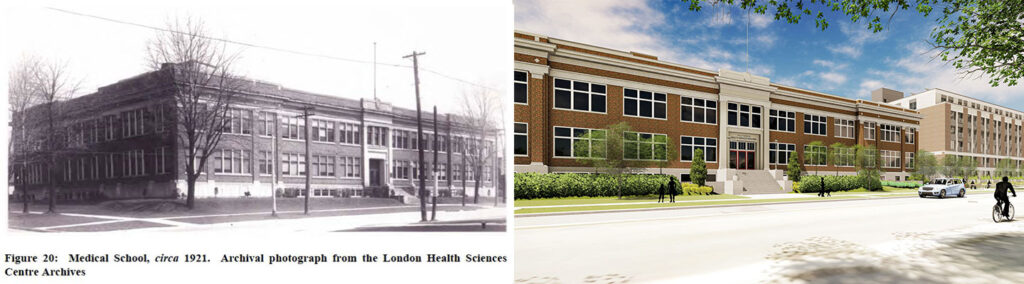
The adaptive reuse of the Health Services Building to become the Antler River Apartments highlights the importance of balancing heritage preservation with contemporary performance standards. Early cost planning supported design decisions related to sustainability, accessibility, and long‑term viability while respecting the building’s heritage designation.
Trinity Lutheran Church – Hamilton, Ontario
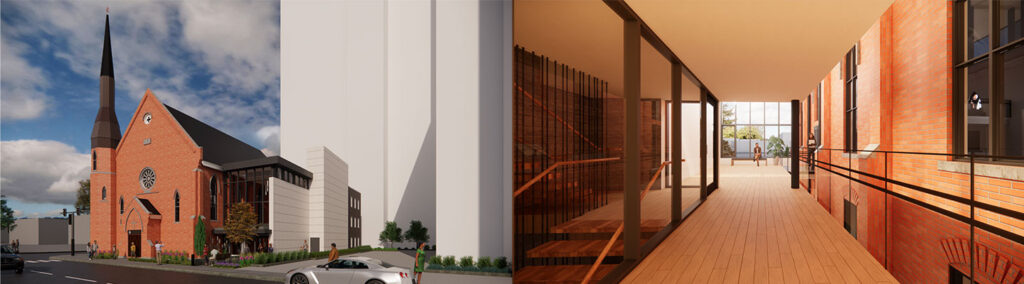
At Trinity Lutheran Church, cost planning has played a key role in supporting a sensitive approach to modernization. By testing design options and understanding cost impacts early, the project is able to respect the church’s historic context while supporting accessibility and long‑term community use.
Supporting informed decision making
By providing early‑stage cost estimates, testing design options, and supporting ongoing decision making, WT helps clients understand how design choices affect budgets, funding strategies, and long‑term viability. This approach enables informed choices that support both preservation goals and practical delivery.
Heritage Week
Ontario Heritage Trust’s Heritage Week is a reminder that conserving built heritage is about stewardship and long‑term value. WT is proud to work alongside local architects and owners to help ensure Ontario’s heritage places continue to serve communities today and into the future.